Por Liz Palacios (Ecu) el 30/12/24 09:00

Steel Framing: A Deep Dive into its Origins and Advantages
Steel Framing is a construction system in which a building’s framework is composed mainly of metallic elements made of cold-formed galvanized structural steel.
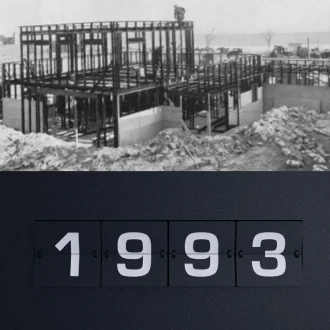
Between the 19th century and the 20th century, Chicago was the first US city to adopt steel construction, with emblematic buildings such as the Home Insurance Building. By 1933, the use of galvanized steel had been established citywide, leading to the first house built with structural steel and, as a result, the so-called “Proprietary Systems.»
However, new standards and building codes were developed and adopted both locally and nationally to ensure the safety and durability of buildings,.
The standardization process for cold-formed steel framing began in 1994 in Chicago with collaboration between universities and private companies.
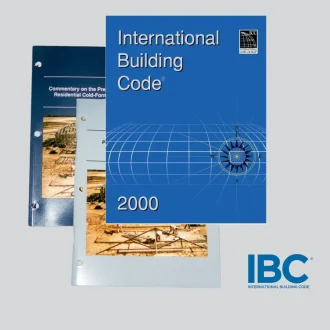
In 2000, the Cold-Formed Steel Engineers Institute (CFSEI) published the standardized use of cold-formed steel, aligning with the International Building Code.
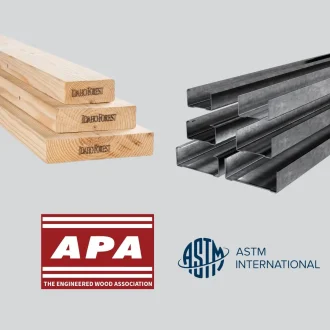
Just as APA-the Engineered Wood Association establishes standards for engineered wood products, ASTM (American Society for Testing and Materials) standards define the quality and usage requirements for cold-formed galvanized steel in building construction. These standards ensure the performance and safety of structures utilizing this material.
In this regard, Steel Framing construction must meet several quality requirements to be used as a superstructure in residential and commercial buildings, industrial warehouses, and structures up to six stories high.
Steel Framing Advantages
- Strength and stability: Steel used for cold-forming, engineering, and construction exhibits high tensile and compressive strength. This inherent strength allows for the construction of lighter and stronger structures compared to traditional metal framing.
- Fast-paced construction: The steel elements are manufactured in highly industrialized cold-forming plants, such as Somundy, enabling efficient assembly of structural components. This approach can result in construction times up to 70% faster compared to traditional building methods.
- Sustainability: Steel is a highly recyclable material, enabling construction with a reduced environmental impact.
- Durability: Galvanized steel, coated with zinc, offers exceptional durability as a building superstructure. This coating provides high resistance to degradation and corrosion in various climatic and environmental conditions.
The thickness of the zinc coating directly correlates with the material’s durability.
- Versatility: Cold-formed steel is a versatile material suitable for a wide range of building applications, including residential, commercial, industrial, and institutional structures, as well as buildings up to six stories high.
In conclusion, Steel Framing has emerged as a highly successful and versatile construction technology, standing as a prominent advancement in modern construction 4.0.
However, the extent to which studies have validated steel as a truly sustainable material remains a crucial area of ongoing research.
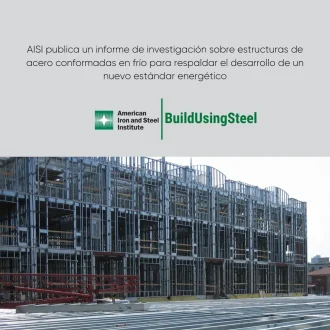
To delve deeper into this topic, visit our next article Developing a New Energy Standard in Cold-Formed Steel Structures. This article will explore key findings from studies conducted by the American Iron and Steel Institute (AISI), a leading organization that advocates for the use of steel in construction.